Collectors' Cabin
Hadrosaurid Dinosaur Egg with Perfectly Preserved Eggshell Details (Dendroolithus oogenus), Cretaceous, China
Hadrosaurid Dinosaur Egg with Perfectly Preserved Eggshell Details (Dendroolithus oogenus), Cretaceous, China
Couldn't load pickup availability
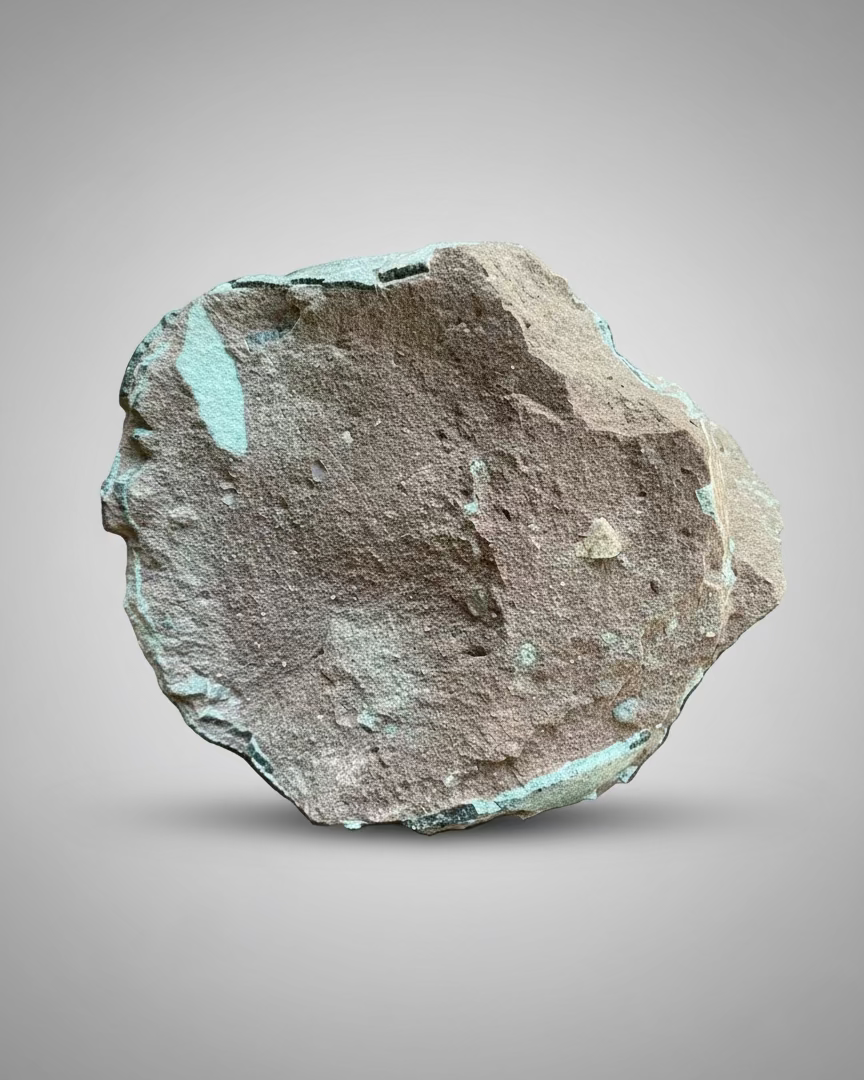
This exceptionally well preserved dinosaur egg from the Late Cretaceous represents the oogenus Dendroolithus, commonly associated with hadrosaurid (duck-billed) dinosaurs. Unearthed from the renowned Xixia Basin, Henan Province, China, this specimen showcases museum-quality preservation with extensive eggshell detail still intact.
The egg displays beautifully preserved eggshell fragments with natural grey and black pigmentation, set within the classic brick-red sandstone matrix characteristic of Xixia Basin deposits. Once housing a tiny Cretaceous dinosaur, this piece offers a genuine glimpse into the earliest stage of a dinosaur’s life.
Perfect for collectors, museums, display or study- this egg captures the prehistoric story of a Cretaceous herbivore, offering both scientific interest and striking visual appeal. Its intact shell details and exceptional preservation make it an ideal centerpiece for any fossil collection.
Specimen Details:
Dimensions: 11.5cm L x 10.4cm W
Origin: Xixia Basin, Henan Province, China
Certificate Of Authenticity: included (see FAQ for more details)
Condition: Excellent overall preservation, the specimen retains the majority of its original eggshell in exceptional detail. Retaining most of its original shape, size and texture, this specimen offers a superior insight for study / display.
No repairs or restorations- the fossil has only had professional prep work to align with museum display standards.
Perfect for collectors, educators and museum-style display, this remarkable specimen offers:
-
Authentic Late Cretaceous specimen
-
Visually striking preservation
-
Rich eggshell detail for study and examination
-
A dramatic and story-rich presentation piece
- A museum quality insight into the earliest stage of a dinosaurs life!
Please note: Every effort is made to photograph specimens in natural light for accurate representation. However, variations in-screen settings may cause very slight differences in colour appearance.
Share